
GPT Image 2: The ChatGPT Image Generator That Reads, Ranks #1, Thinks
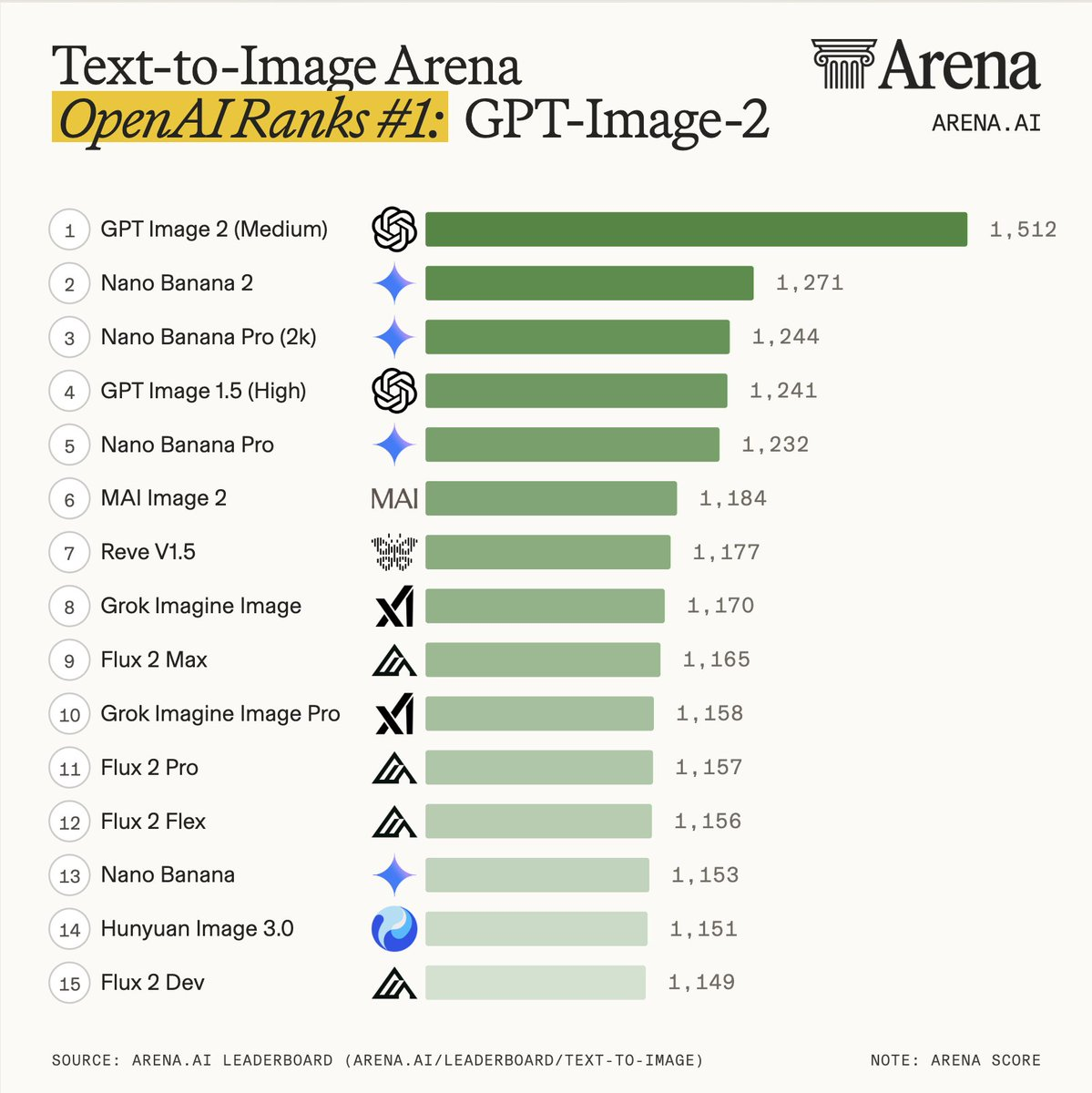
Arena's #1 Text-to-Image model, +242 points ahead of its nearest rival. GPT Image 2 renders Chinese, Japanese, and Korean text without garbling, thinks before generating, and outputs up to 8 coherent images in a single prompt.
Real Outputs from GPT Image 2
Chinese posters, Japanese manga panels, Korean notices, UI mockups, coherent multi-image sets, and photorealistic scenes. Generated through conversation.
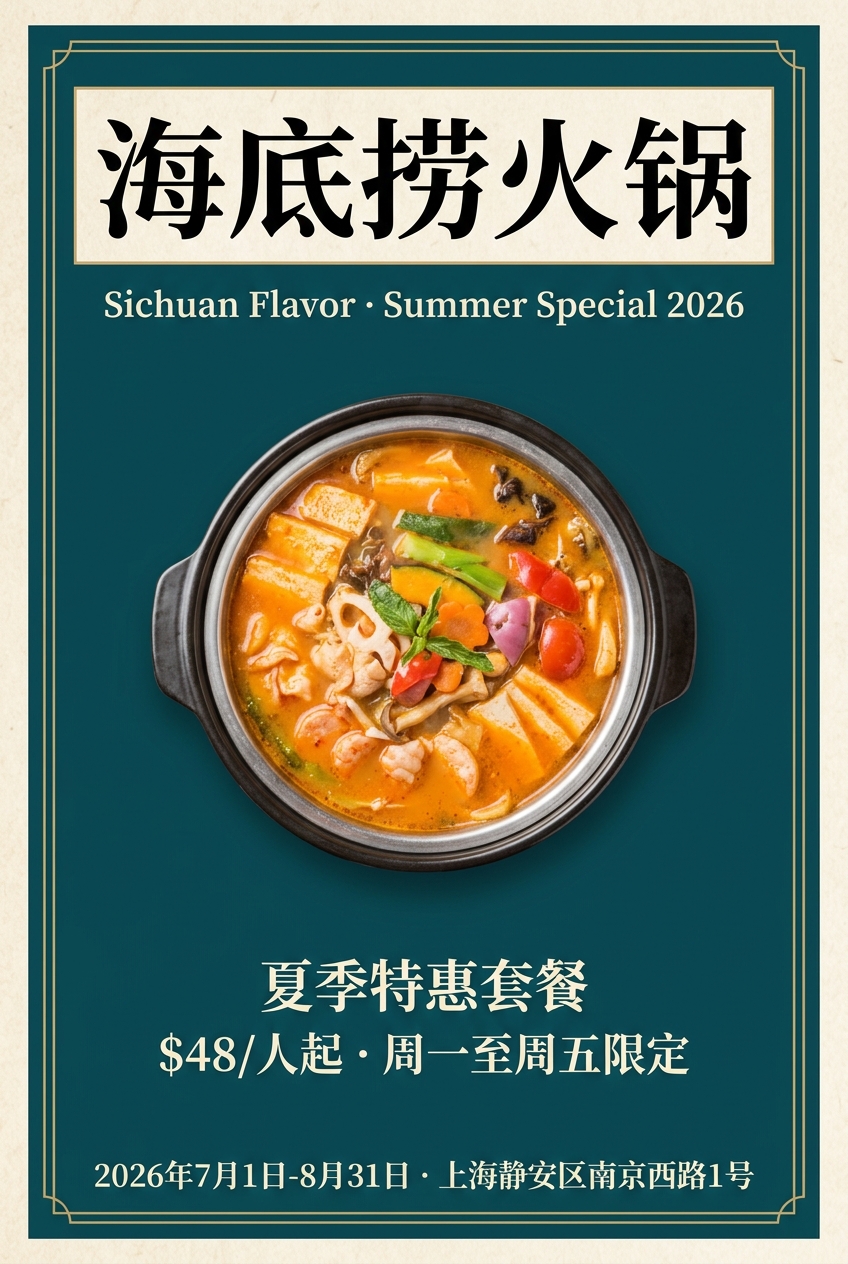
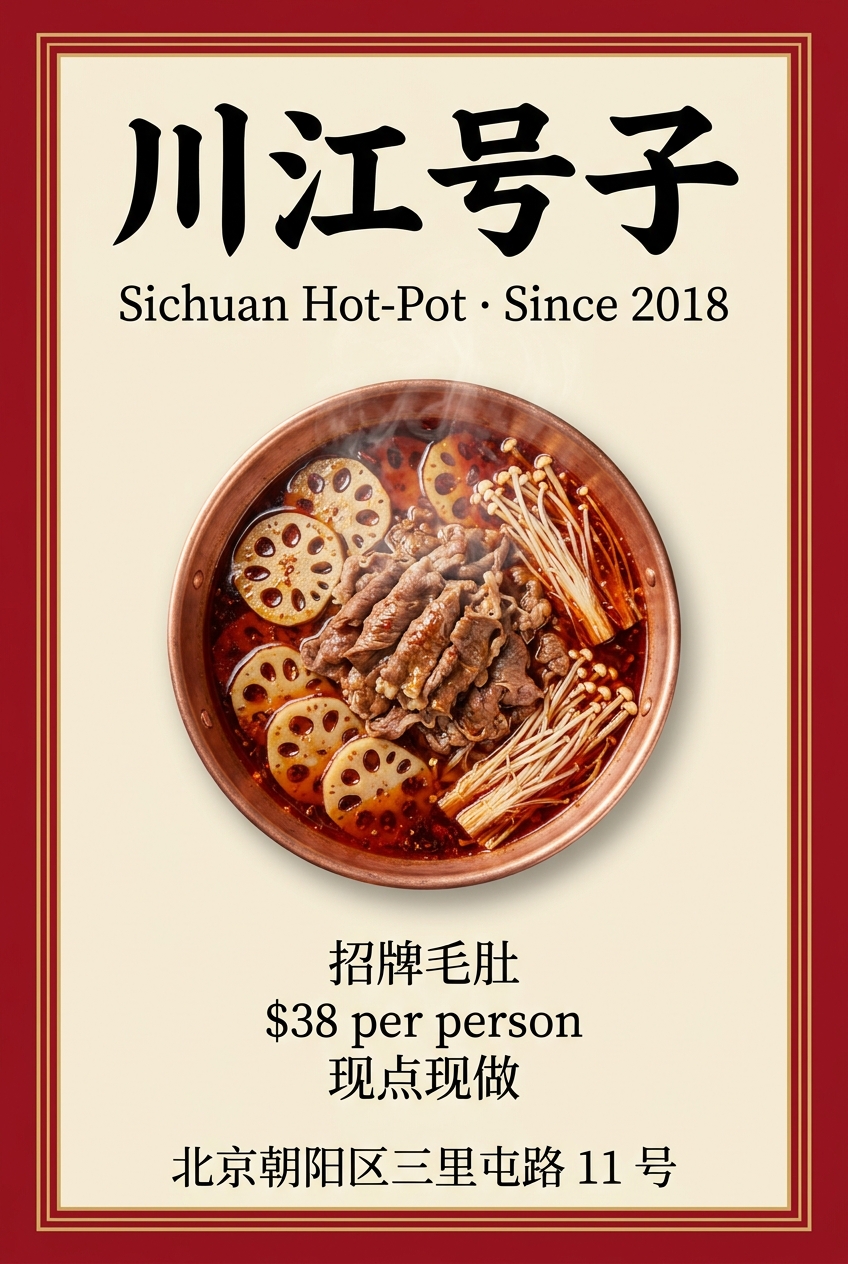
Chinese Event Poster
Headline, tagline, and body copy all in Simplified Chinese, perfectly kerned and legible. No garbled characters, no post-processing in Photoshop.
Chinese
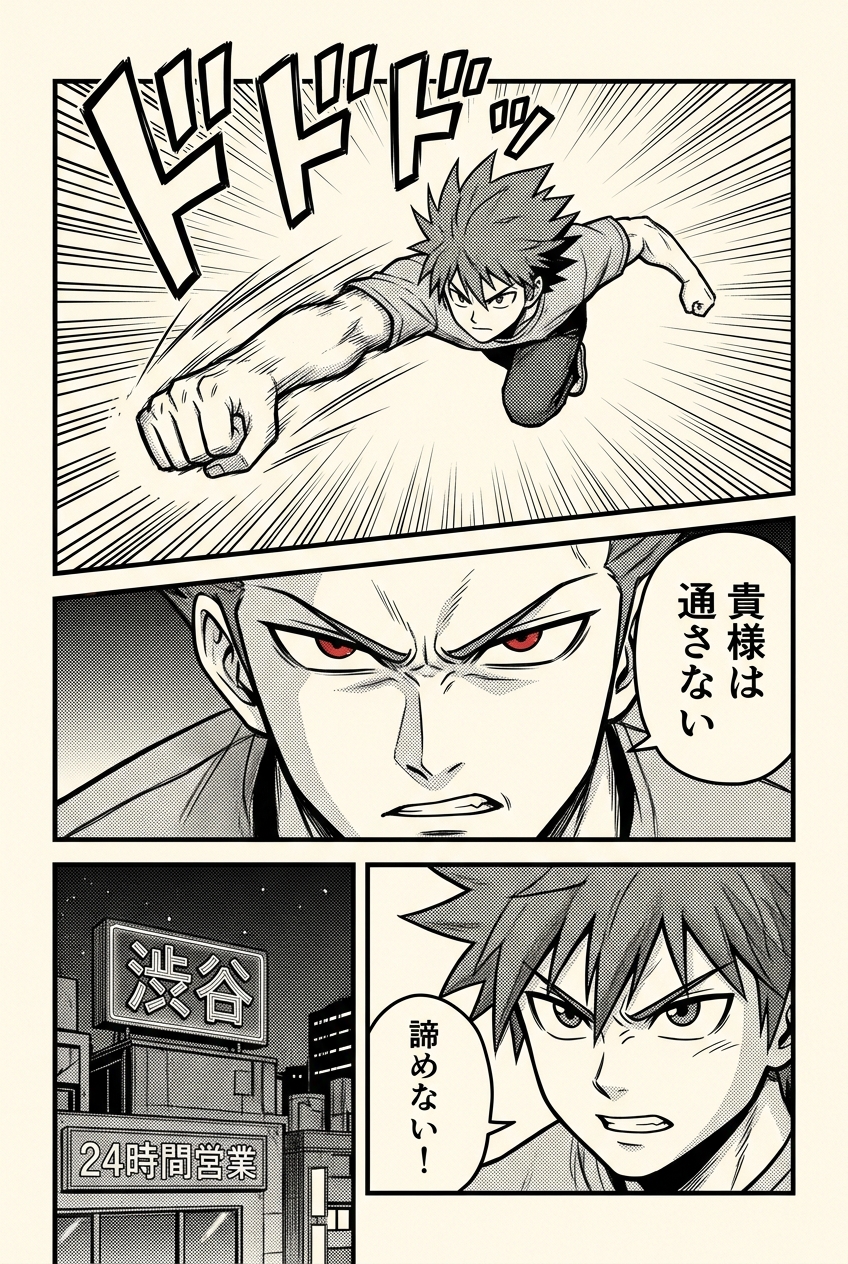
Japanese Manga Panel
Full-page shonen action panel with readable kanji sound effects, dialogue bubbles, and Shibuya street signs. Authentic manga ink-line style throughout.
Japanese
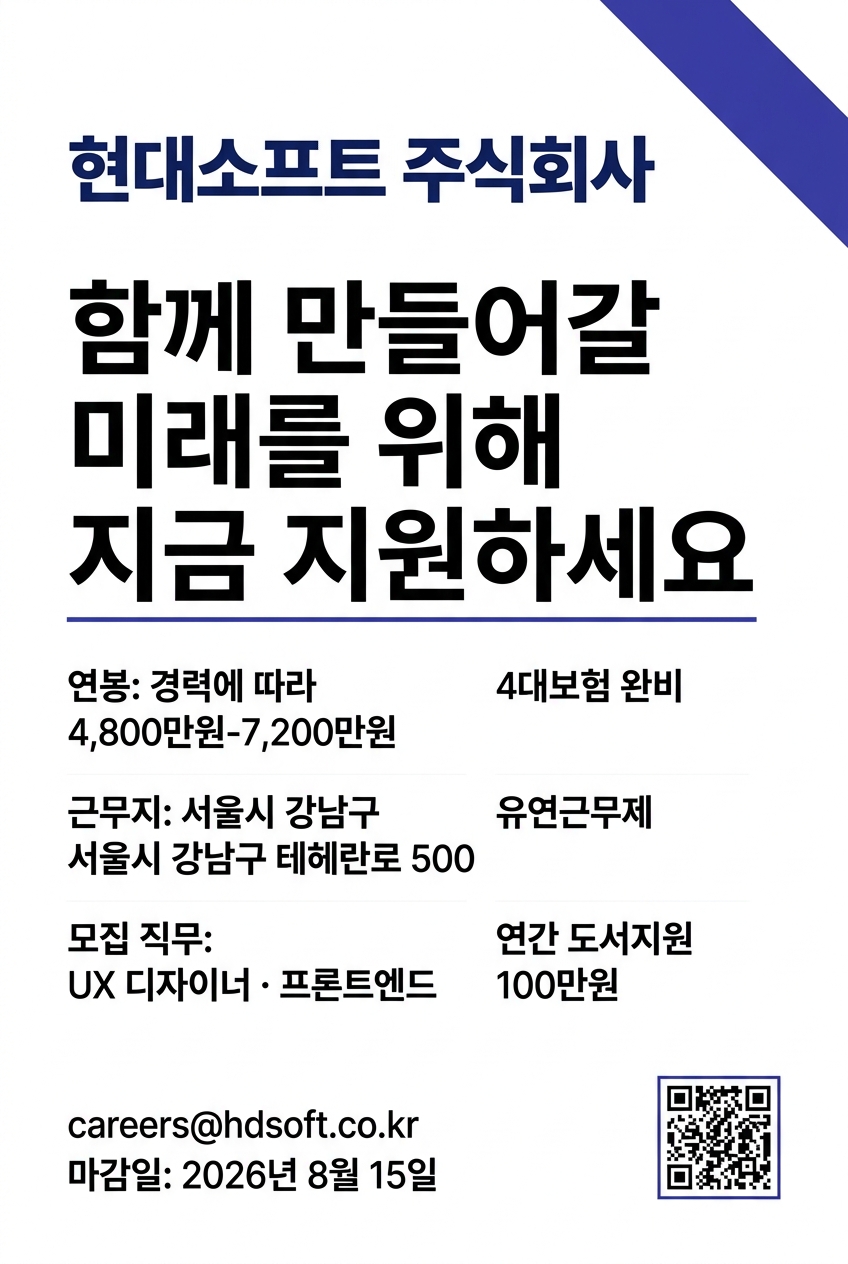
Korean Notice Board
Multilingual public notice with Korean hangul, Chinese, and English in a single image. Each script renders natively, not as transliteration overlays.
Korean
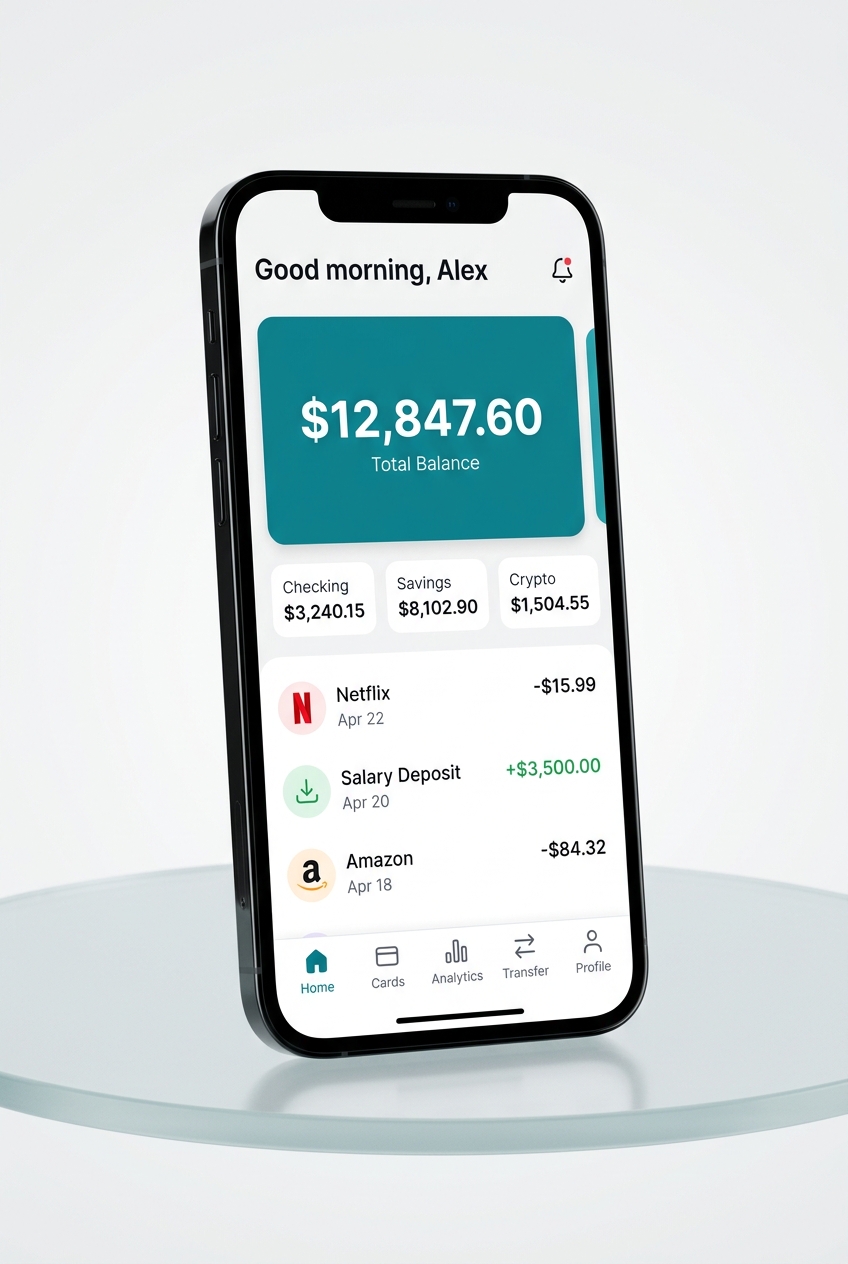
Mobile UI Mockup
Banking dashboard with sharp balance figures, status indicators, and micro-text labels. Fine typography at 9px equivalent holds up without blur.
Mobile
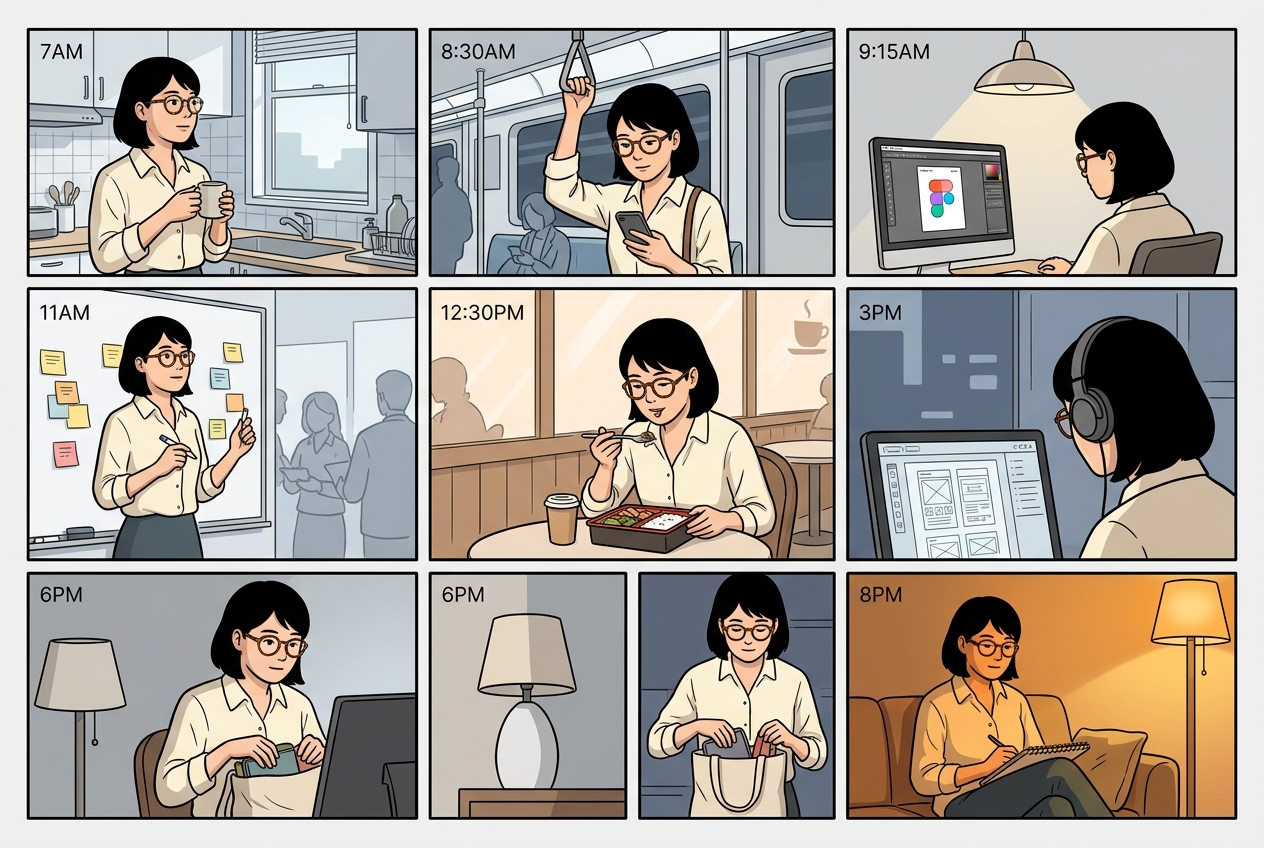
8-Image Coherent Set
One prompt, eight images. Same character, same lighting style, same color palette across all frames. Built for storyboards, product series, and campaign shoots.
8-Image
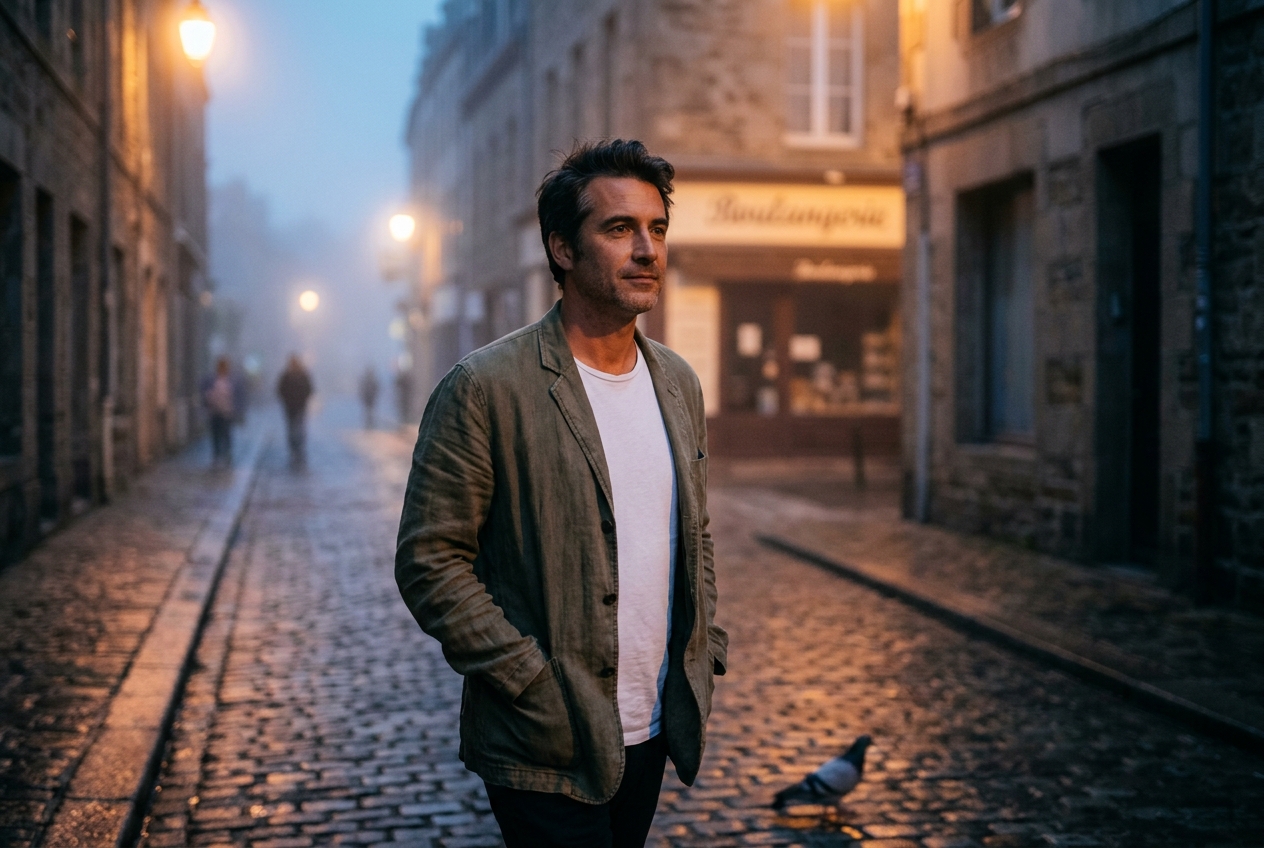
Photorealistic Film Portrait
35mm film grain, Kodak Portra color rendering, and intentional lens flare. GPT Image 2 interprets photographic intent, not just visual description.
Photorealistic
GPT Image 2 at a Glance
What Makes GPT Image 2 Different
The model that took Arena's #1 spot by +242 points does not win on speed or price. It wins on accuracy, multilingual reach, and thinking-powered coherence.
Text That Actually Reads
Logos, headlines, UI labels, product copy. Every character is correctly placed and legible. No garbled output, no manual Photoshop cleanup after generation.
Multilingual Script Support
Chinese, Japanese, Korean, Hindi, Arabic, and more. GPT Image 2 renders non-Latin scripts natively, not as transliteration overlays. One prompt can mix four languages cleanly.
Standard Aspect Ratios
Square 1:1 for social media, landscape 3:2 for banners and editorial headers, portrait 2:3 for posters and mobile-first designs. Pick the format that fits your canvas.
2K Resolution Output
Sharp enough for print materials, digital billboards, and high-density displays. Textures, gradients, and fine typographic details hold at full zoom.
Thinking Mode: Reason Before Rendering
The model searches for current context, checks its own output plan, and applies multi-step reasoning before a single pixel is drawn. Available on ChatGPT today, coming via API soon.
Chat-to-Generate Interface
Describe what you want in plain language. Refine through conversation. No prompt templates, no Discord commands, no API keys. Just tell the AI what to change.
From Idea to Final Image in Three Steps
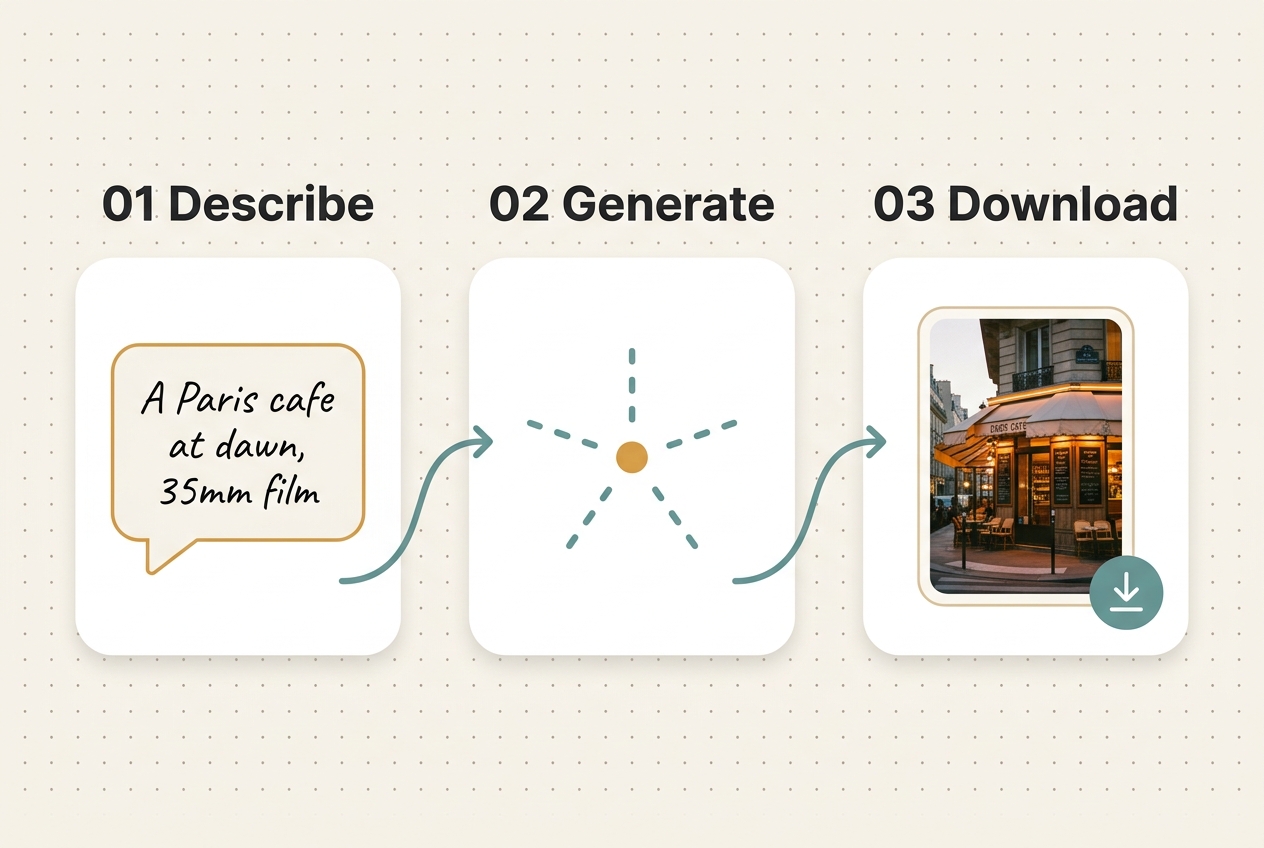
No prompt engineering. No sign-up required for your first image. Just describe, generate, and download.
Describe What You Need
Type in plain language: “A bilingual English and Chinese event poster for a jazz festival, clean modern design, readable headlines.” No special syntax required.
Pick Your Quality Tier
Low quality (4 credits) is fast and great for iteration. Medium (8 credits) covers most professional needs. High quality (12 credits) produces the sharpest text and finest detail.
Generate and Refine
Your image appears in seconds. Not quite right? Say “make the headline larger” or “switch the background to deep navy.” Targeted conversational edits, no regeneration from scratch.
Download and Use
Download in up to 2K resolution. Commercial use included. Drop it into your marketing deck, upload to your store, or print it. It is ready.
Get Production-Ready Output, Not Stock Generic
Three habits that separate a draft from a ship-ready asset. Same GPT Image 2, handled two different ways.

Vague Prompt vs Specific Prompt

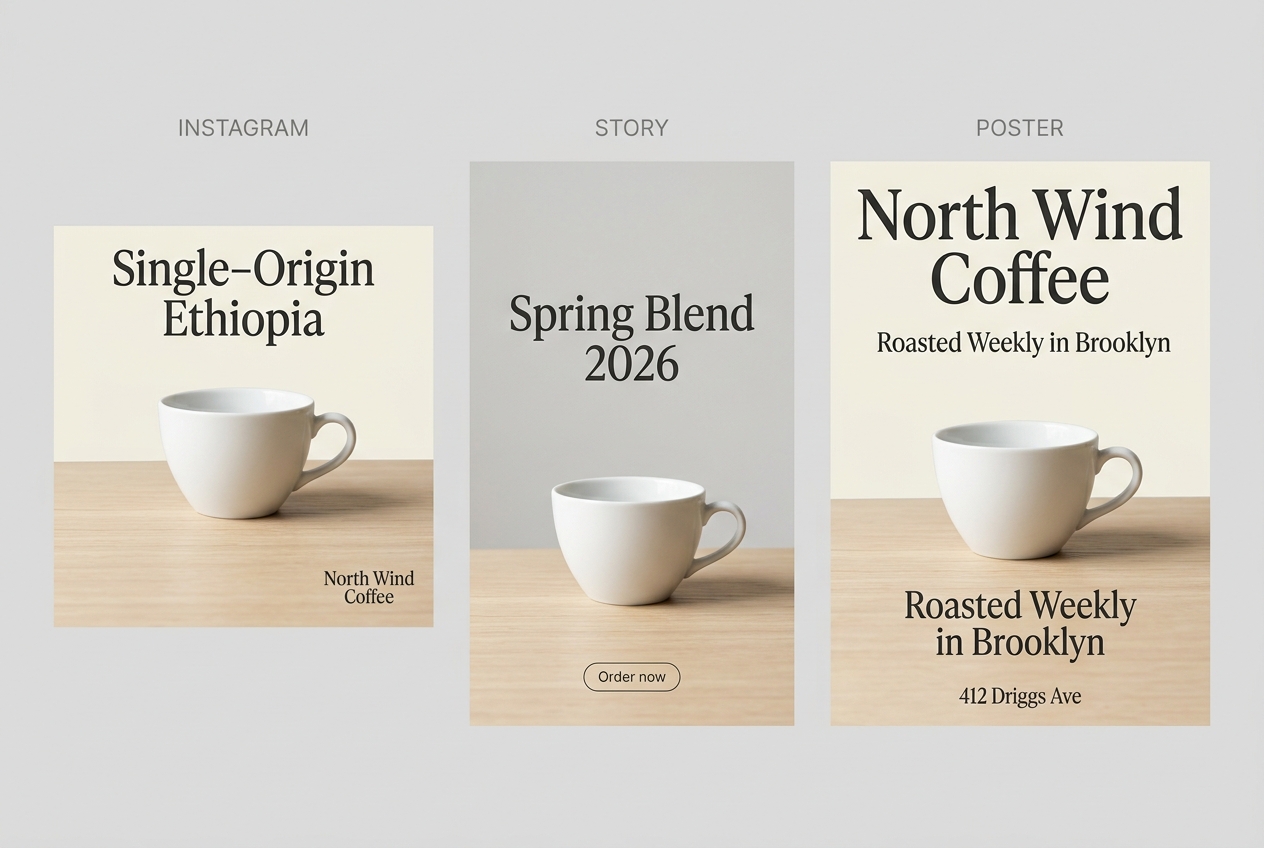
Single Shot vs Coherent Series
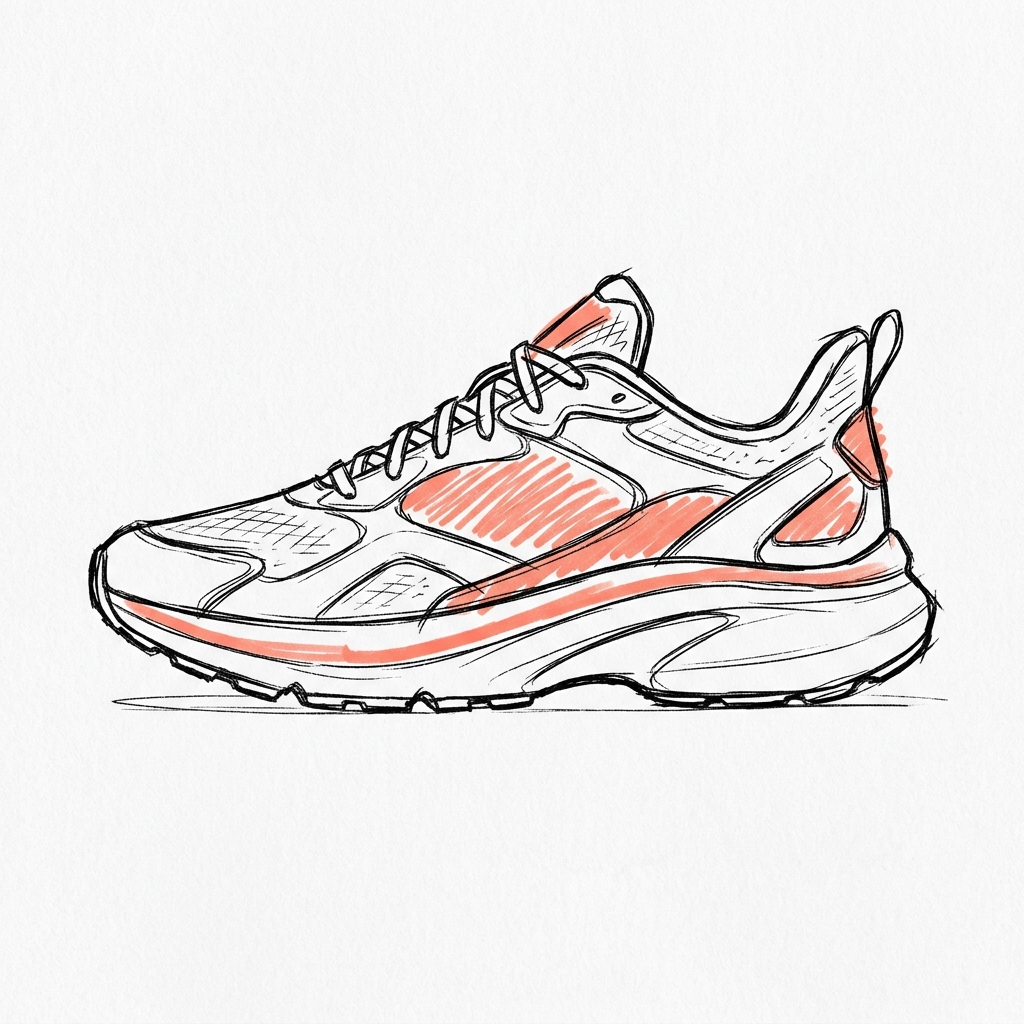
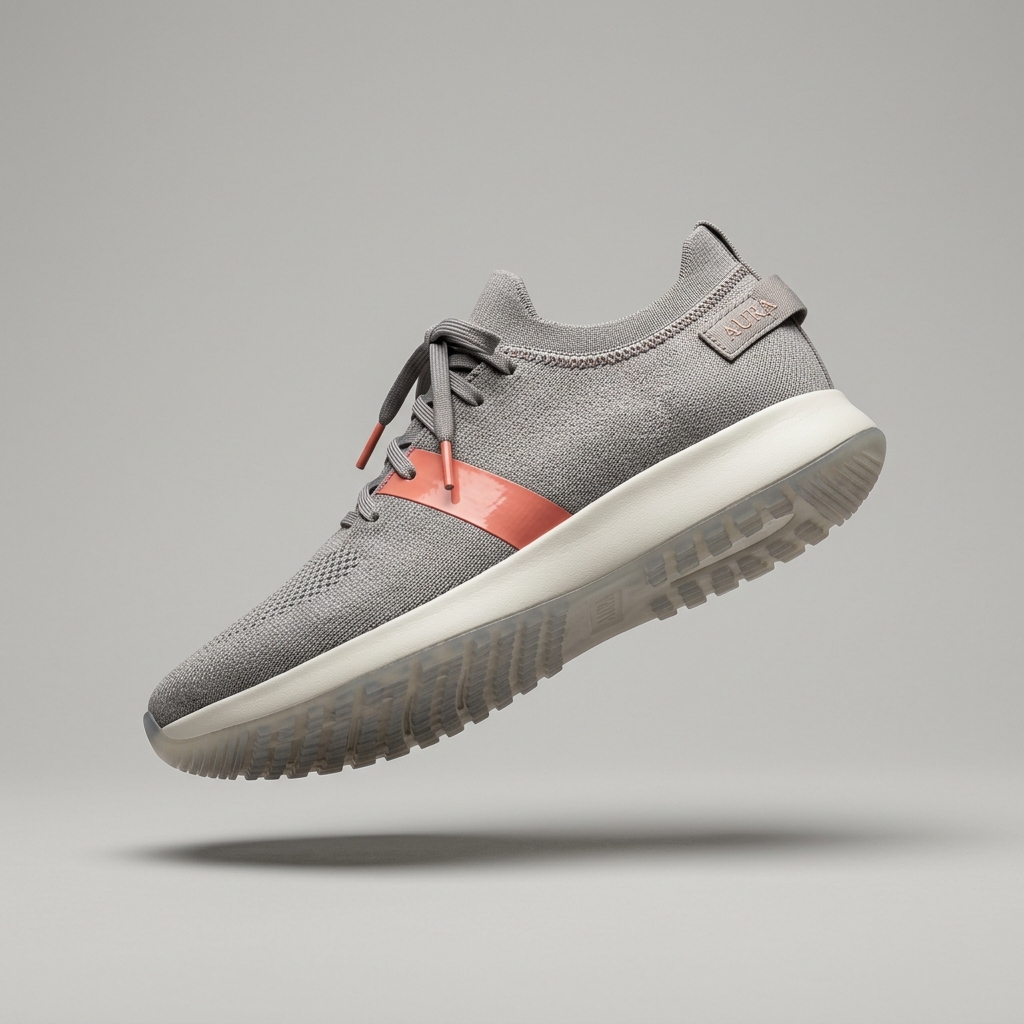
Quick Draft vs Studio Finish
GPT Image 2 vs Other Models
Arena ranked GPT Image 2 #1 across all three leaderboards. Here is how it compares against the models people use most on Lumiet.
GPT Image 2
Nano Banana 2
Nano Banana Pro
Midjourney v7
Who Uses GPT Image 2 and Why
From designers migrating off DALL-E 3 to developers building multilingual content pipelines, GPT Image 2 covers use cases no other model handles cleanly.
Thinking Mode: Reason Before You Render
GPT Image 2’s Thinking mode does three things before a single pixel is drawn: it searches the web for current context and reference data, it checks its own generation plan against the prompt, and it can output up to 8 coherent images in one pass with consistent characters and style. This is not just “better prompting.” It is a fundamentally different approach to generation. Current status: fully available on ChatGPT today. Available via API: coming soon. In the meantime, you can trigger single-image Thinking-quality output on Lumiet using the High quality tier.
Designers Moving Off DALL-E 3
DALL-E 3 built an audience of designers who needed text in images. GPT Image 2 is OpenAI’s direct successor to that audience, with sharper text accuracy, multilingual support, and 2K output. If DALL-E 3 was your workhorse for social graphics and marketing assets, GPT Image 2 is the natural upgrade. All your existing prompts still work, and the output quality is noticeably higher.
Multilingual Content Teams
Marketing teams that operate across China, Japan, Korea, and South Asia spend hours in Photoshop layering localized text over English-first AI images. GPT Image 2 generates each language version natively in a single prompt: the Chinese poster looks like it was designed in Chinese, not translated from English. This cuts localization production time significantly for campaigns that run in multiple languages simultaneously.
Developers Building Image Pipelines
GPT Image 2 is available through Lumiet’s chat interface today, and the OpenAI API path is live for developers building production pipelines. The quality axis (Low / Medium / High) maps cleanly to cost-vs-quality tradeoffs: Low for rapid prototyping and bulk generation, High for client-facing final assets. The predictable three-tier pricing makes budgeting straightforward across different project types.
E-Commerce and Product Marketing
Product shots with accurate text labels, lifestyle images with legible brand names, and localized promotional materials. GPT Image 2’s text rendering accuracy means the label on your product reads correctly in the AI-generated image, which matters when you are showing it to customers. The 3:2 landscape ratio is optimized for banner ads and editorial headers; 2:3 portrait suits mobile product pages.
Educators and Infographic Creators
Annotated diagrams, step-by-step instructional visuals, and multilingual teaching materials. GPT Image 2 handles the kind of precision that other models fail on: small-font labels, multi-step numbered sequences, and mixed-language diagrams where every annotation needs to read correctly. The Thinking mode can follow complex logical structures, making it suited for scientific and educational visualizations.
What Users Are Saying
From DALL-E 3 migrants to multilingual content teams and developers, here is how GPT Image 2 changed their workflow.
I used DALL-E 3 for two years to generate social graphics with English text, and it was good enough. Then I tried GPT Image 2 for a campaign that needed Chinese and English in the same image. The Chinese came out clean on the first try, no garbled strokes, correct character spacing. I switched everything over the same week.
We run multilingual ad campaigns across four countries. Previously, we had a localization step where a human designer would layer translated text over AI images in Photoshop. With GPT Image 2, the Japanese, Korean, and Chinese versions come out natively in the right scripts. We cut our localization production time in half and the results look like they were designed for each market.
I build internal image generation tools for a content platform. The quality axis on GPT Image 2 is exactly what I needed: Low for rapid bulk previews, High for final approved assets. Predictable credits cost makes it easy to budget per project. The text rendering accuracy means I do not need a post-processing cleanup step for anything that includes copy.
Pay for What You Generate
GPT Image 2 uses a three-tier quality system. Start free with Low quality, upgrade to High for professional print and multilingual assets.
Free
Free, No Card NeededTry GPT Image 2 now, no credit card needed.
Your 10 free credits cover 2 GPT Image 2 images at Low quality.
10 free credits on sign-up
GPT Image 2 at Low quality (4 credits per image)
Access to all models on Lumiet
Commercial use allowed
Medium and High quality tiers (Pro plan)
Priority generation queue (Pro plan)
Pro
Most PopularUnlock Medium and High quality for professional assets.
Pro covers around 60 GPT Image 2 images per month at Medium quality.
Everything in Free, plus:
500 credits/month
GPT Image 2 at Low (4), Medium (8), and High (12 credits)
All models on Lumiet including GPT Image 2
Sharp multilingual text at Medium and High quality
Priority generation queue
Commercial use allowed
Premium
Best ValueFor teams with high-volume multilingual generation needs.
Best per-image cost, ideal for agencies running multilingual content at scale.
Everything in Pro, plus:
2000 credits/month
32% more credits per dollar vs Pro
Built for teams running multilingual campaigns
Frequently Asked Questions
GPT Image 2 is the AI image generation model released by OpenAI in April 2026, officially named ChatGPT Images 2.0. It is the successor to DALL-E 3 and the current #1 ranked model on the Arena Text-to-Image leaderboard, scoring 1512 Elo points and leading the next model by +242 points. Its core strengths are accurate text rendering across multiple languages, a Thinking mode that reasons before generating, and the ability to produce up to 8 coherent images in a single prompt.
Yes, GPT Image 2 is OpenAI’s next-generation replacement for DALL-E 3. If you were using DALL-E 3 for social graphics, marketing visuals, or any image that required readable text, GPT Image 2 is the direct upgrade. Your existing prompt style works, and you will notice better text accuracy, sharper multilingual support, and higher output quality. On Lumiet, you can switch to GPT Image 2 from the model selector in the chat interface.
GPT Image 2 improves on DALL-E 3 in several measurable ways: text rendering accuracy is significantly higher, especially for complex prompts with multiple text elements; multilingual script support is native rather than approximate; the maximum output resolution is 2K compared to DALL-E 3’s 1K; and the Thinking mode adds web search and self-checking capabilities that were not present in DALL-E 3. Arena’s third-party human evaluation confirms GPT Image 2 ranks #1 across Text-to-Image, Single-Image Edit, and Multi-Image Edit categories.
GPT Image 2 uses a three-tier quality system on Lumiet. Low quality costs 4 credits per image. Medium quality costs 8 credits per image. High quality costs 12 credits per image. New users get 10 free credits on sign-up, enough for 2 Low-quality images with no credit card required. Pro subscribers get 500 credits per month, covering around 60 Medium-quality GPT Image 2 images.
Yes. Every new Lumiet user receives 10 free credits on sign-up, with no credit card required. These credits cover 2 GPT Image 2 images at Low quality, or you can spread them across other models. After your free credits are used, you can upgrade to a Pro or Premium plan to continue generating. Low-quality GPT Image 2 output is good enough for rapid iteration and concept testing.
Yes, and this is one of GPT Image 2’s most significant advantages over competing models. It renders Simplified Chinese, Traditional Chinese, Japanese (hiragana, katakana, kanji), Korean (hangul), Hindi (Devanagari), and other non-Latin scripts natively and accurately. A single prompt can contain multiple language lines in the same image, and each will render with correct character shapes, proper kerning, and natural stroke weight. This is not OCR overlay or post-processing: the model generates the text correctly at the pixel level.
GPT Image 2 outputs images at up to 2K resolution as the standard stable tier. A 2K-plus resolution is currently in Beta with longer generation times. On Lumiet, all three quality tiers (Low, Medium, High) produce 2K output. The quality tier affects detail fidelity, text sharpness, and photorealism, not just the pixel dimensions.
GPT Image 2 and Midjourney v7 target different strengths. GPT Image 2 excels at text rendering, multilingual content, structured compositions like UI mockups and posters, and the Thinking mode for coherent multi-image outputs. Midjourney v7 excels at artistic stylization, painterly aesthetics, and creative ambiguity. For any project that requires readable text, labels, or non-English scripts, GPT Image 2 wins decisively. For abstract artistic exploration with no text requirements, Midjourney remains competitive. GPT Image 2 is also available through Lumiet’s chat interface with no subscription lock-in, while Midjourney requires a separate monthly subscription.
GPT Image 2’s Thinking mode enables the model to search the web for current context, check its own generation plan against the prompt, and apply multi-step reasoning before rendering. This is particularly useful for complex prompts that require factual accuracy, for generating up to 8 coherent images in a single pass with consistent characters and style, and for prompts where getting the composition right on the first try matters. Current availability: Thinking mode is fully available on ChatGPT today. It is coming via API soon. On Lumiet, using the High quality tier activates the strongest available output quality.
Via the Lumiet chat interface (which uses the Replicate API path), GPT Image 2 supports three aspect ratios: square 1:1, landscape 3:2, and portrait 2:3. Square is ideal for social media posts and profile images. Landscape 3:2 is suited for banner ads, editorial headers, and horizontal content. Portrait 2:3 works well for posters, mobile-first content, and vertical social media formats. The OpenAI API directly supports additional sizes, but the Lumiet interface uses the three confirmed stable ratios for consistent generation results.
Yes. All images generated on Lumiet, including those from GPT Image 2, include commercial use rights. You can use them for marketing campaigns, product listings, social media advertising, print materials, packaging, and client work. No additional licensing is required beyond your Lumiet account.
Yes. GPT Image 2 is available through the OpenAI API directly for developers, and through the Replicate API via the openai/gpt-image-2 model path. On Lumiet, you access GPT Image 2 through the chat interface without needing to manage API keys or write code. The three quality tiers available on Lumiet map directly to the Low, Medium, and High quality parameters in the API.
GPT Image 2 has a few areas where results are less reliable: physical constraint tasks like step-by-step origami instructions or Rubik’s cube solutions can fail; hyper-dense repeating textures at the sand-grain scale exceed the model’s spatial resolution; precise arrow annotation diagrams may need human review; the 2K-plus resolution Beta tier has longer generation times and occasional instability; and multi-character, multi-brand consistency across a long series can drift. For most commercial and creative use cases, these limitations are edge cases.
Under the Hood: Why GPT Image 2 Wins on the Numbers
The +242 Elo lead GPT Image 2 holds over the second-ranked model on the Arena Text-to-Image leaderboard is worth decoding. Arena scores come from human blind A/B comparisons across tens of thousands of prompts. In the Elo system, a +242 gap translates to roughly an 80% win rate in head-to-head matchups: for four out of five prompts a human evaluator is shown, they pick the GPT Image 2 output. That margin is why Canva, Figma, Adobe Firefly, and OpenArt integrated GPT Image 2 within 48 hours of its public release. For teams that produce multilingual content, the advantage compounds: Chinese, Japanese, Korean, and Hindi prompts that required three to five regenerations on DALL-E 3 now routinely succeed on the first pass.
GPT Image 2 ships through three access paths and the tradeoffs matter for production work. The ChatGPT web interface is where Thinking mode is fully live today, with web search, output self-checking, and up to eight coherent images in one prompt. The OpenAI API exposes the model as gpt-image-2 with a quality parameter mapping to Low, Medium, and High tiers and a size parameter covering the full aspect ratio matrix. The Replicate path (openai/gpt-image-2) is the one Lumiet uses: it supports three confirmed stable aspect ratios (1:1, 3:2, 2:3), the same quality parameter, and requires no API key management on the user side. If you are building a pipeline, the API routes are interchangeable; if you just want one image in thirty seconds, the chat interface on this page is the shortest path.
A note on limitations, because serious users deserve the honest version. Tasks that require a complete physical-world model (origami sequences, multi-step object manipulations, precise arrow-and-label technical diagrams) still need human verification. Hyper-dense repeating textures at the sand-grain scale exceed the model’s spatial budget. The 2K-plus resolution tier remains in Beta with longer and less stable generation times. Multi-image continuity beyond eight frames can drift in character appearance and lighting. For the vast majority of commercial and design use cases, these edge cases rarely surface, but they are worth knowing before you commit a workflow to any single model. The free credits on sign-up are enough to test your specific use case in minutes, which is faster than reading a benchmark.
10 credits included on sign-up. No credit card required.
Your First GPT Image 2 Image Is Free
Describe your image in plain language, pick a quality tier, and generate. Chinese posters, Japanese manga panels, UI mockups, photorealistic portraits. GPT Image 2 renders text, handles multilingual scripts, and tops the Arena leaderboard. Start now.